

Gyeongsannam Looks to Timber as Korea Pushes Regional Growth

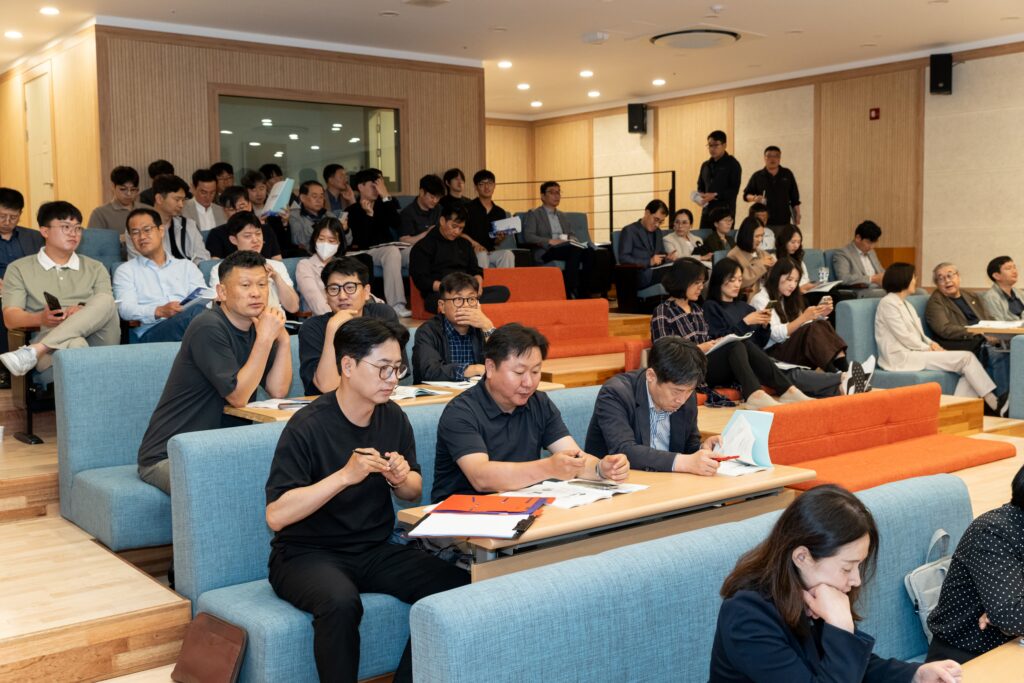
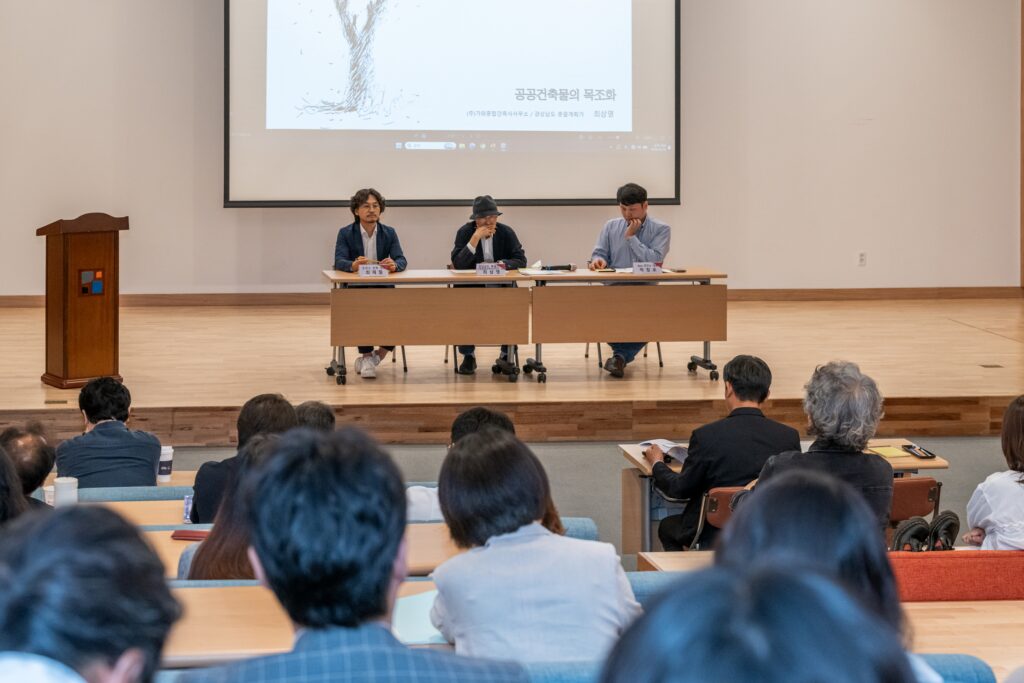
On May 20, Gyeongsangnam-do Province, with support from Canada Wood Korea, hosted its first timber construction seminar at the Gyeongnam Art Museum. The event brought together architects, public officials, industry specialists, and architecture students to discuss timber construction and carbon-neutral building.

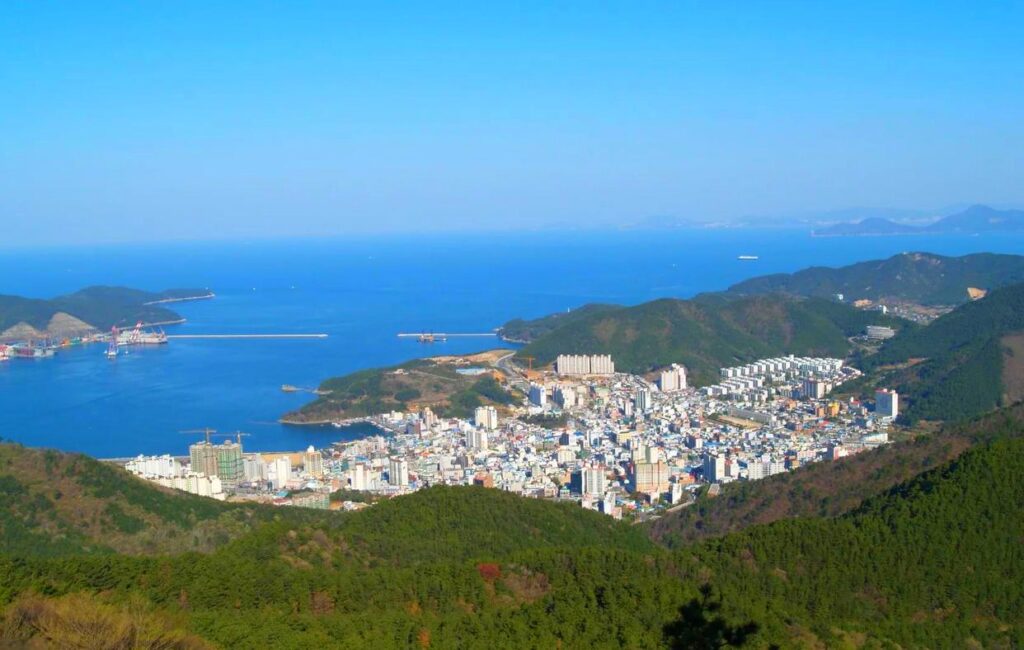
Gyeongsangnam-do, often called Gyeongnam, is one of Korea’s major southeastern provinces, with a population of about 3.2 million. Home to cities such as Changwon, Jinju, Gimhae, and Geoje, the province is part of Korea’s southeastern industrial belt, with strengths in machinery, shipbuilding, aerospace, defence, and advanced manufacturing. As Korea seeks to reduce its heavy concentration of population and investment in the Seoul metropolitan area, provinces such as Gyeongnam are expected to play a larger role in regional growth and public-sector innovation.
The seminar built on Canada Wood Korea’s continuing collaboration with Jinju City, one of Korea’s more active municipal examples in timber construction. Jinju’s experience is now helping to shape a broader conversation across Gyeongsangnam-do, supported by Sam Young Choi, formerly Chief Architect of Jinju City and now Chief Architect of Gyeongsangnam-do Province.
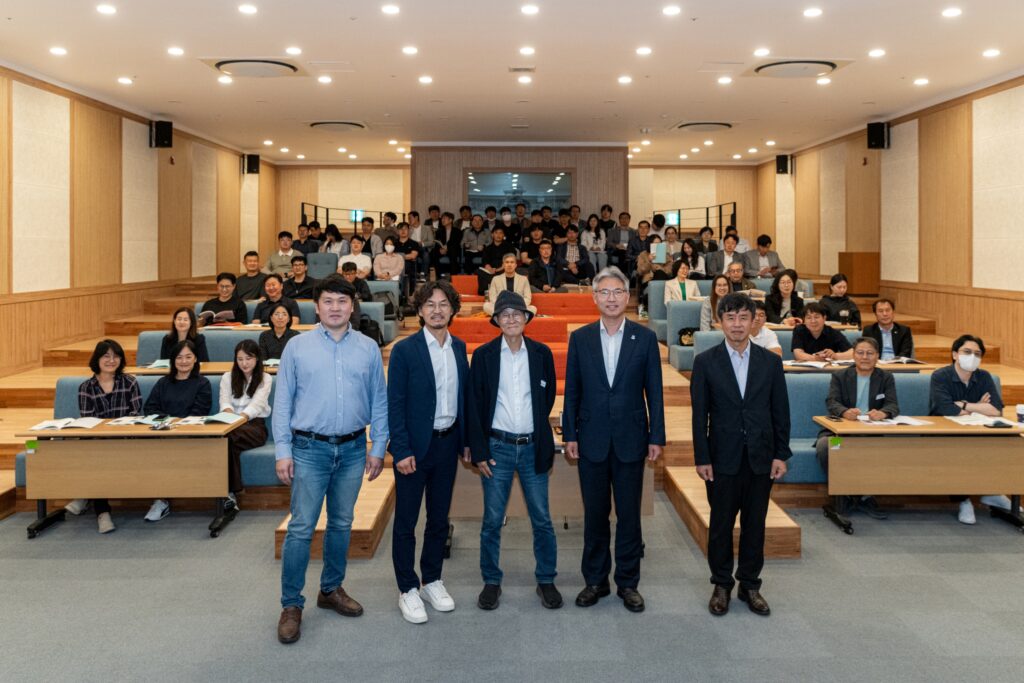
Canada Wood Korea invited three speakers to support the program. Sam Young Choi discussed public-sector timber architecture and regional design strategies. Jae Choi, a long-time technical consultant to Canada Wood Korea, presented timber construction technologies and implementation considerations. Joseph Park, who is working with Canada Wood Korea on two-hour fire- and sound-certified wood-frame assemblies in South Korea, addressed fire and acoustic performance requirements for modern timber buildings.
The discussion reflected the practical issues shaping wood construction in Korea. Interest in timber is growing, but wider adoption depends on tested systems that can meet local expectations for fire safety, acoustic performance, energy efficiency, and construction quality. In a market still dominated by reinforced concrete, public buildings can help reduce perceived risk and create useful precedents.
Gyeongsangnam-do also outlined plans to expand timber construction through pilot public-building projects. If these projects move ahead, they could provide regional reference models for other municipalities and public agencies, linking timber construction with Korea’s broader goals for carbon reduction, construction productivity, and balanced regional development.
The seminar suggests that timber construction is beginning to move beyond a small circle of specialists. In Gyeongsangnam-do, it is now being discussed as part of a wider regional agenda. For Canada Wood Korea, the opportunity is to help turn that interest into tested assemblies, trained professionals, and repeatable public projects.