
Hemlock
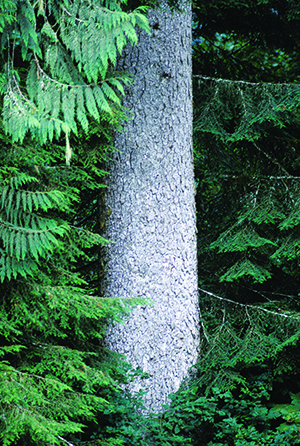
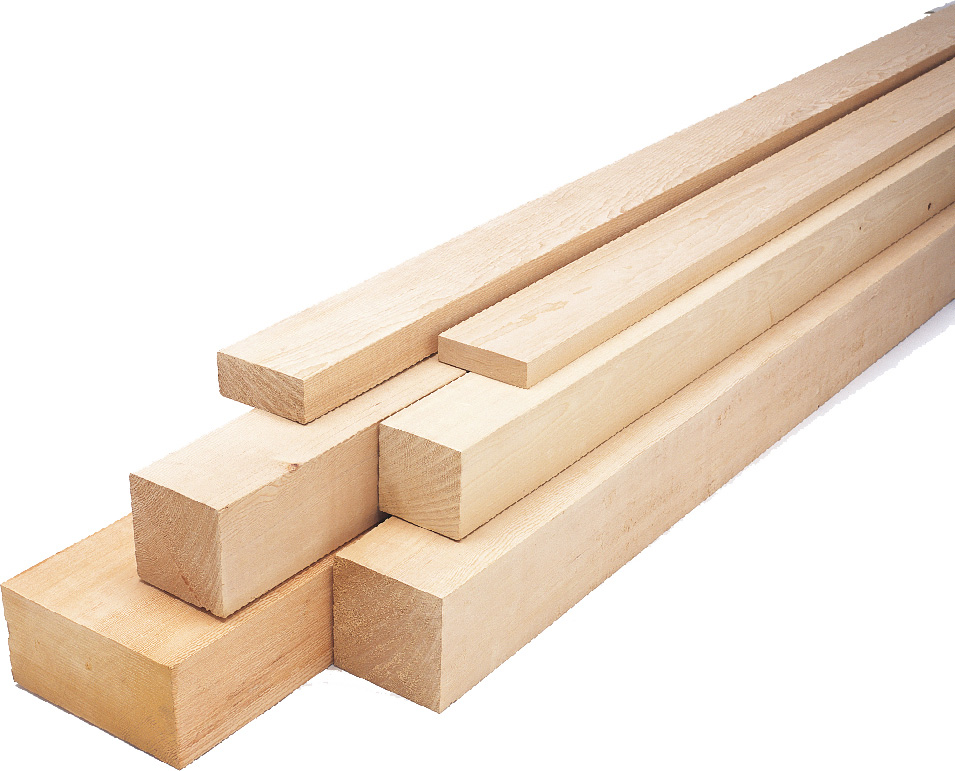
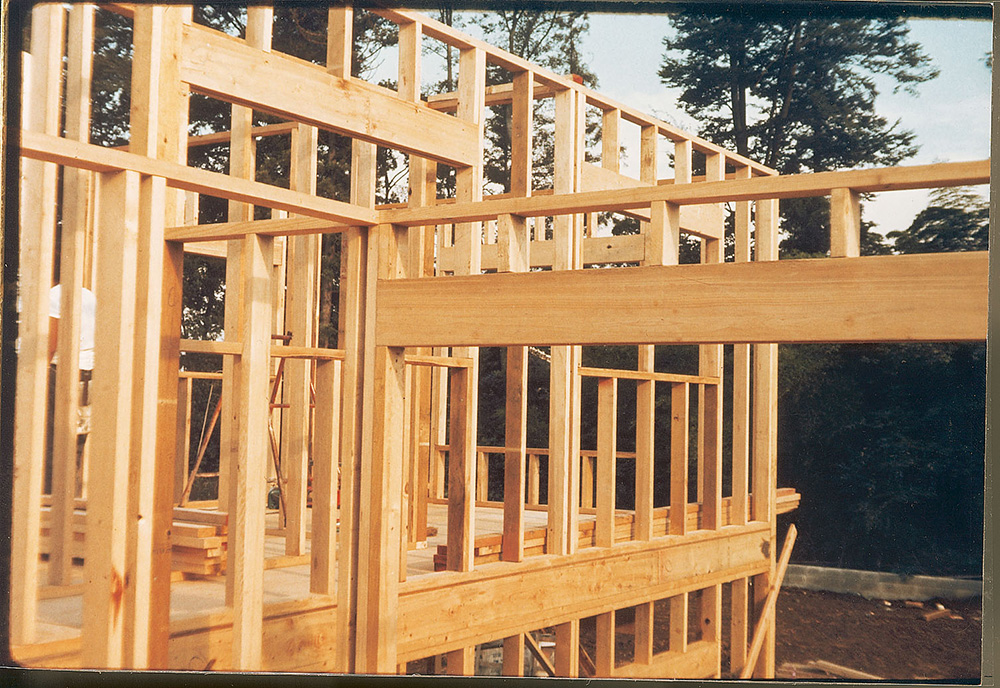
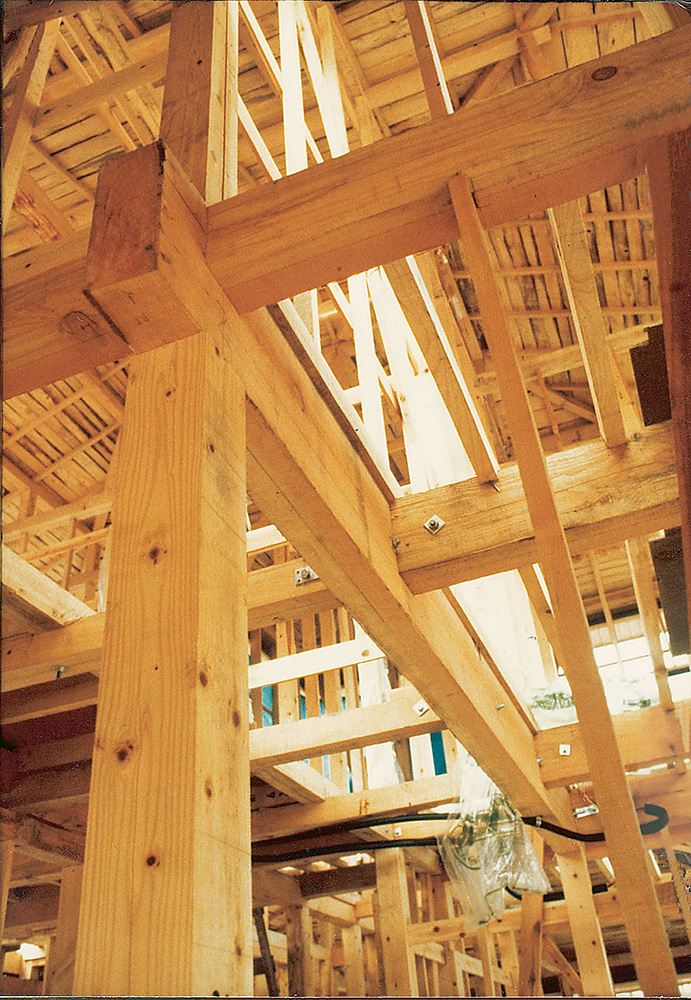
Western hemlock (Tsuga heterophylla) is the most plentiful tree species on the coast of British Columbia. It is commonly sold and shipped, together with amabilis fir, under the name Hem-fir (or Hem-bal). Hemlock is used in general construction, roof decking and plywood, as well as for laminating stock and in the production of glue-laminated and solid beams. Compared to other species, Hemlock’s strength and stiffness make it ideal for use in horizontal components and longer spans.
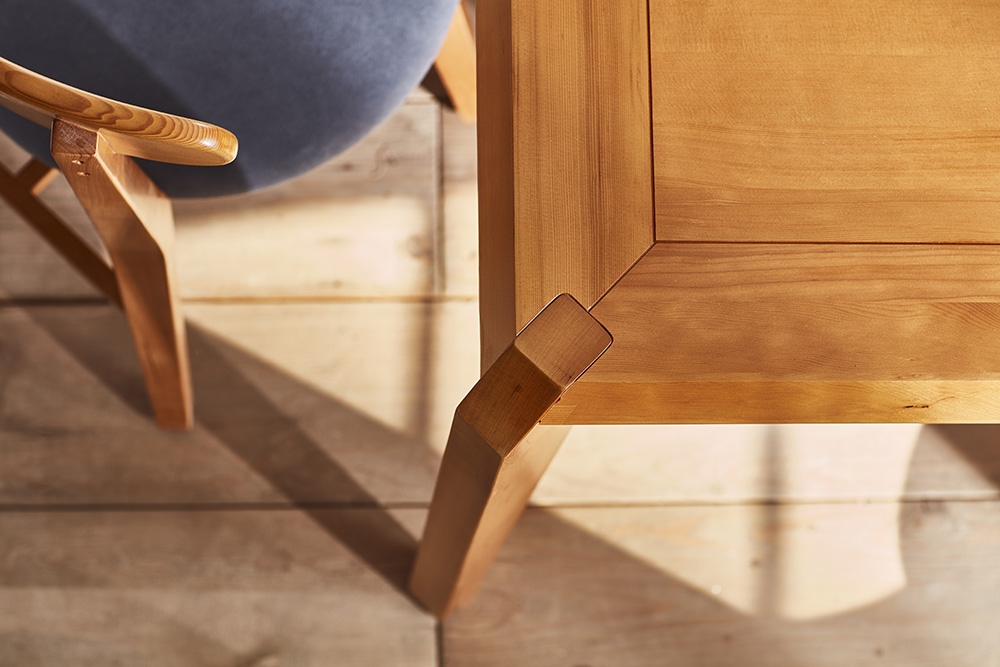
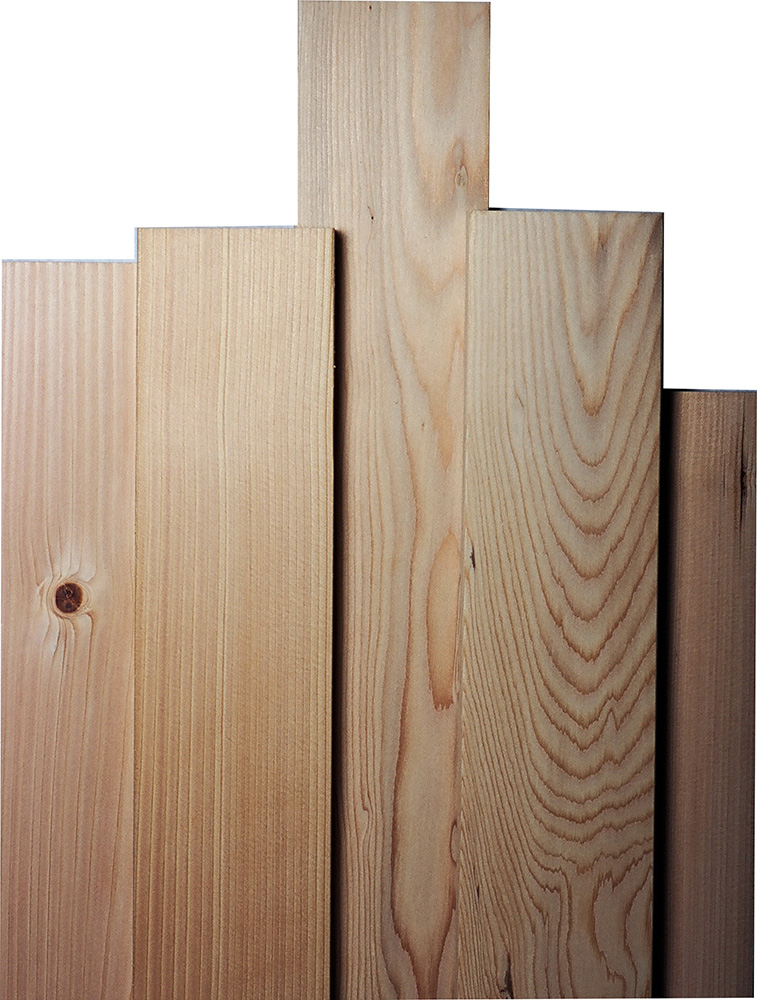
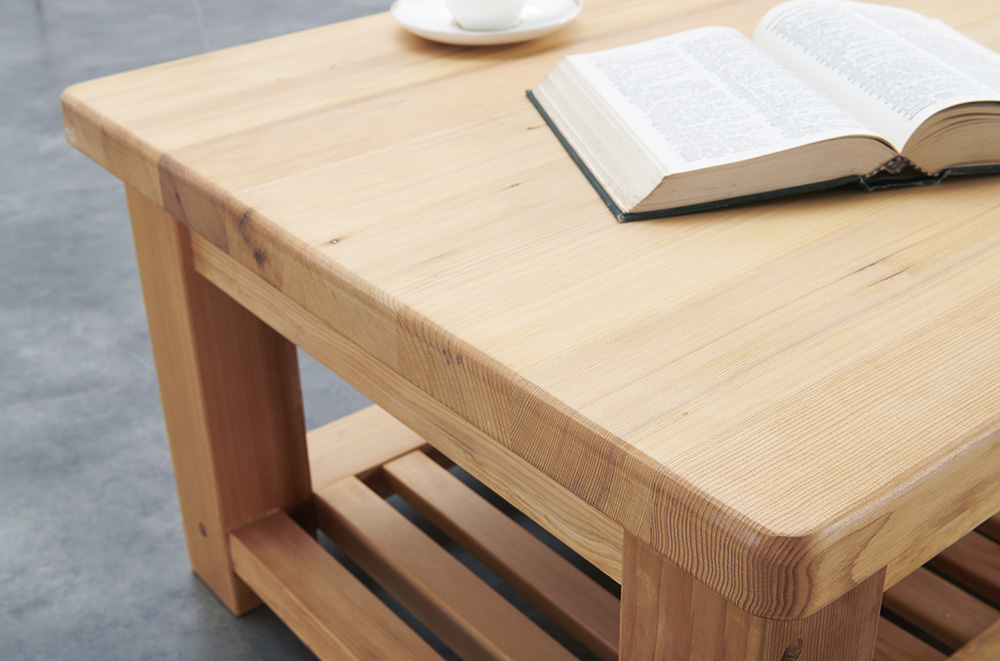
Western hemlock, known for its excellent working properties, is often the first choice for mouldings and interior woodworking. It is also widely used in joints, veneered interior paneling, furniture, doors, floors, and windows. It is non-resinous and takes any stains or finishes extremely well. Hemlock sands smoothly, glues easily, and has high nail- and screw-holding ability.
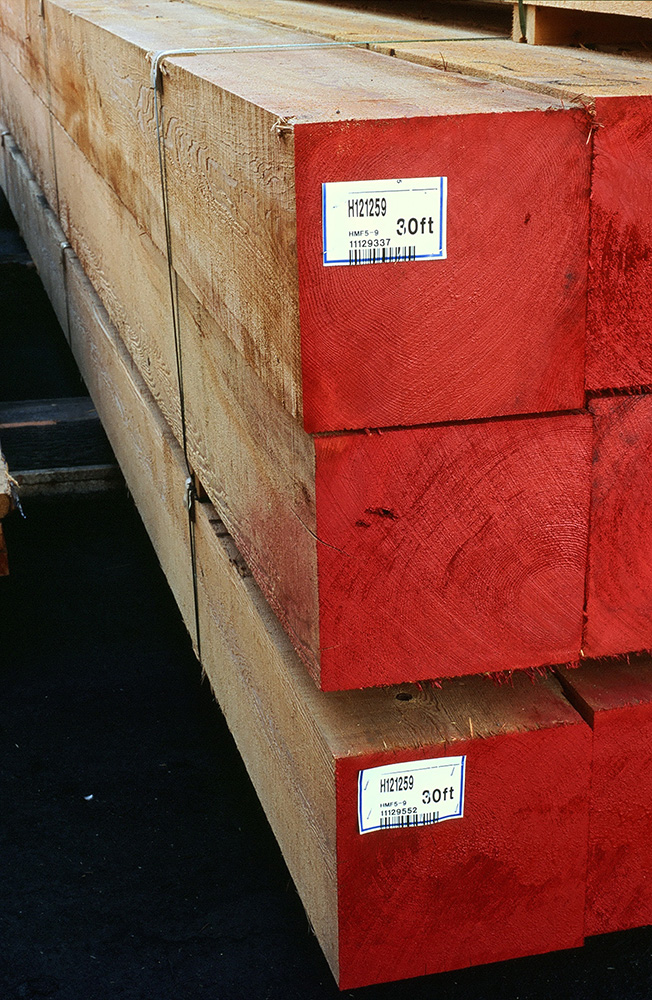
Hem-Fir is primarily available as structural lumber for North America, Japan and other export markets. In North America, structural grades follow National Lumber Grades Authority (NLGA) rules. Select Structural, #2 and better, and stud grades are the most common.