

Wood Reconnecting Beijing’s Past and Future

Just 800 metres from Tiananmen Square, Xixinglong Street in Qianmen is being renewed as part of Beijing’s effort to bring new life to its historic neighbourhoods.

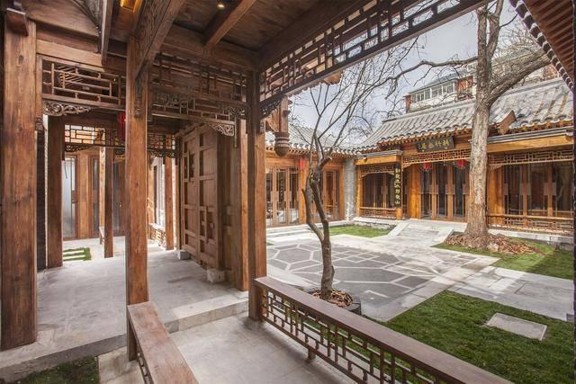
Over time, parts of the street had become fragmented. The renewal reconnects the traditional streetscape while introducing new cultural, commercial and leisure uses. Seven architects and heritage specialists worked through a coordinated design approach to retain the character of the area without simply reproducing the past.
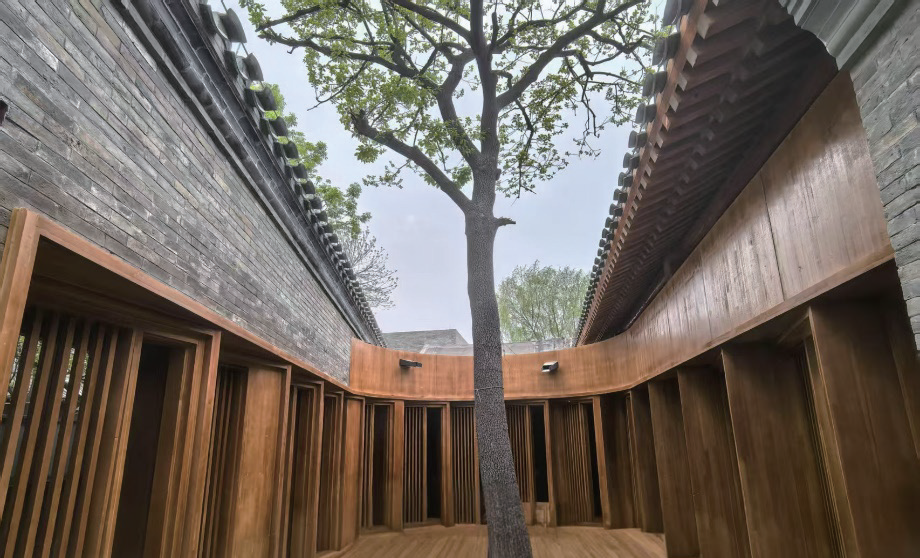
Wood is an important part of that approach. Douglas fir glulam is used in structural frames alongside traditional brick, tile and stone. Prefabricated steel connections and high-strength bolts bring greater consistency and efficiency to the timber structure while meeting modern construction requirements.
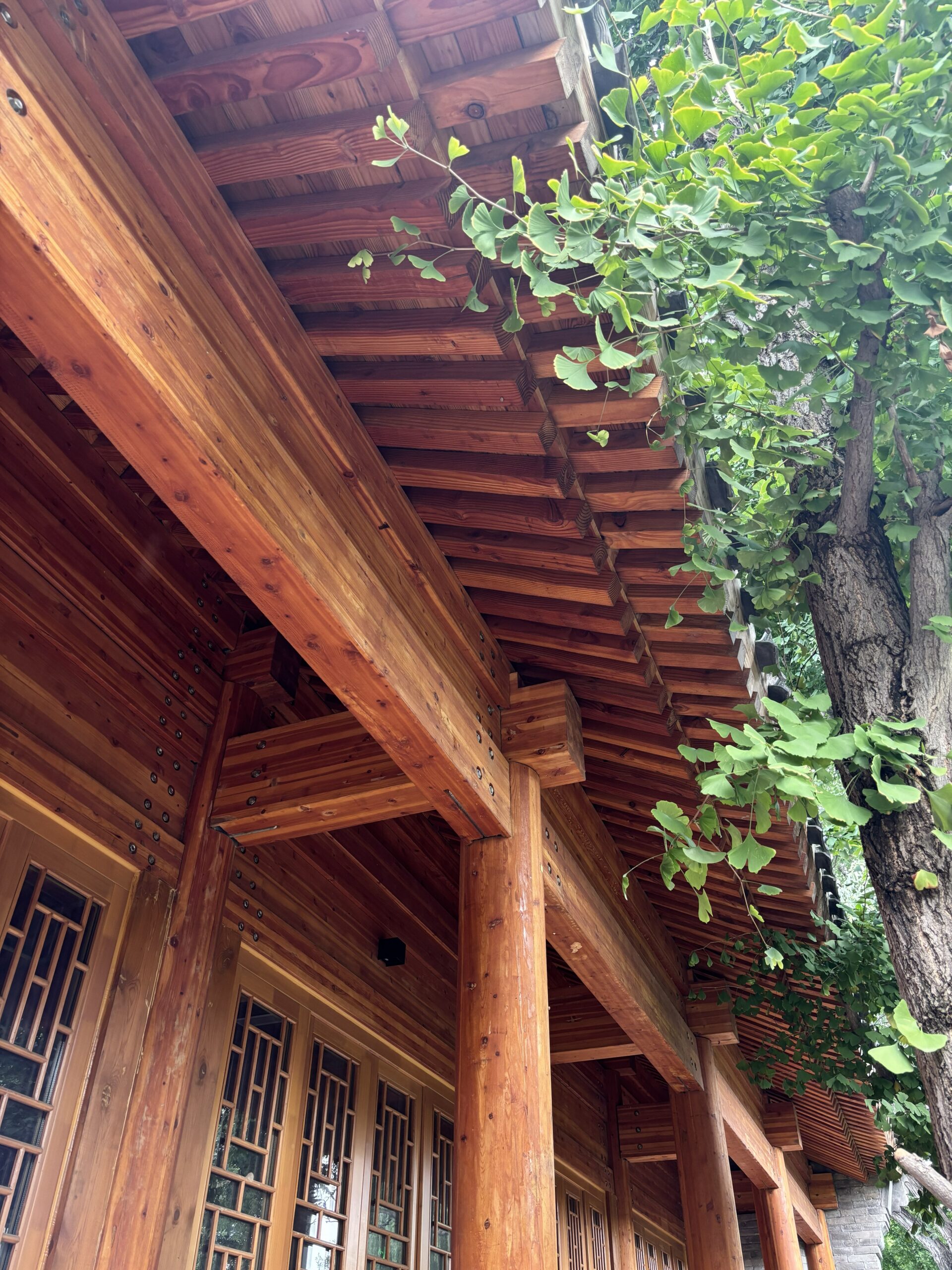
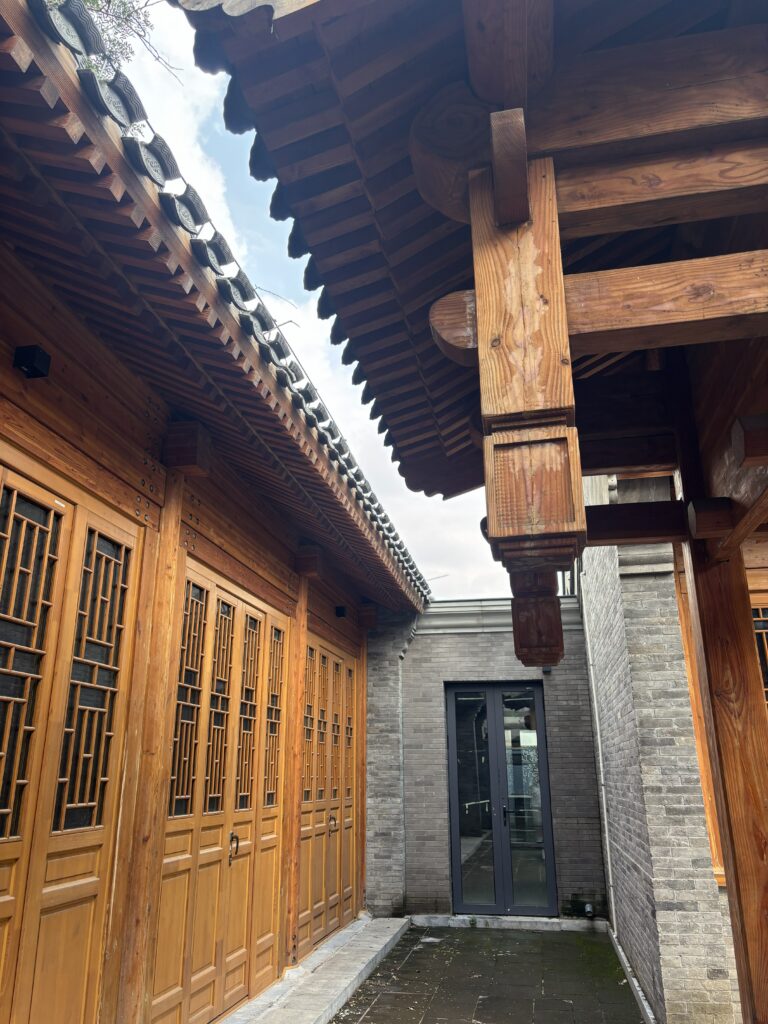
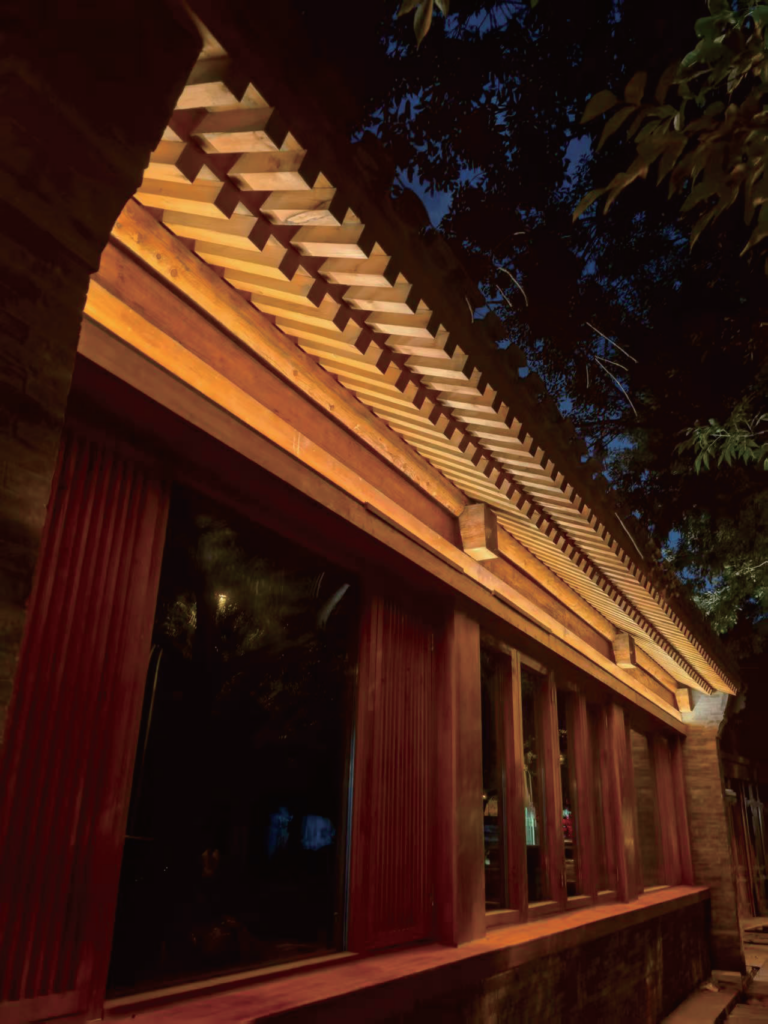
The result is a useful combination of old and new: the buildings retain the visual character of historic Beijing, while the structure and construction methods behind them are contemporary.
BIM and other digital tools also helped coordinate design and construction on the constrained site, allowing modern wood systems to be integrated more precisely with traditional forms and materials.
Urban renewal is becoming an important part of China’s next phase of city development. Rather than clearing older neighbourhoods for large new developments, the focus is increasingly on improving what is already there — renovating aging buildings, protecting historic streets, upgrading public spaces and infrastructure, and introducing new uses that keep neighbourhoods active and economically viable.
Xixinglong Street is a good example of this approach. It brings heritage conservation, new commercial activity and modern construction together without losing the scale and character of the original neighbourhood.
The project also shows how modern wood construction can support that process while working within a sensitive historic urban setting.