

Chinese Design Software Adds Timber Capabilities, Addressing a Practical Barrier to Wood Construction

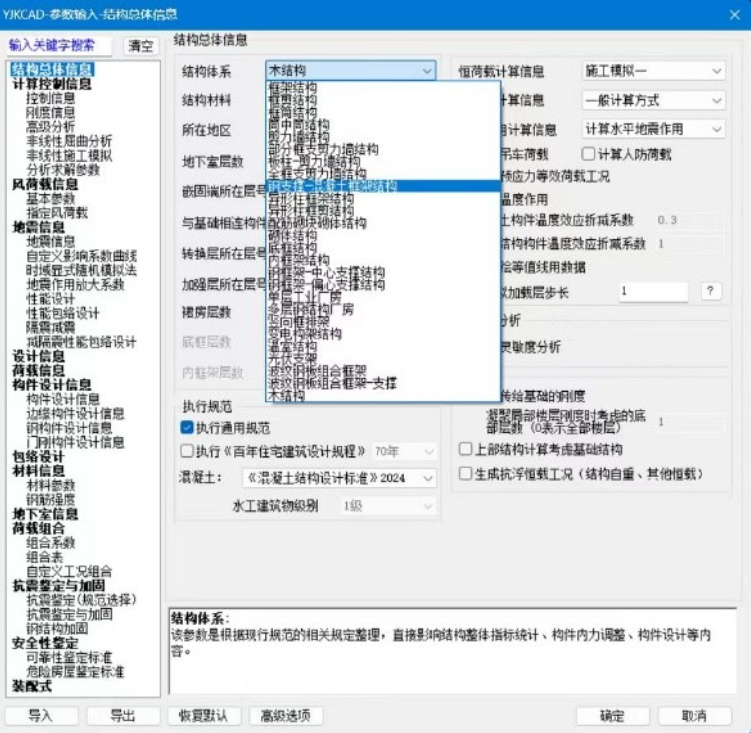
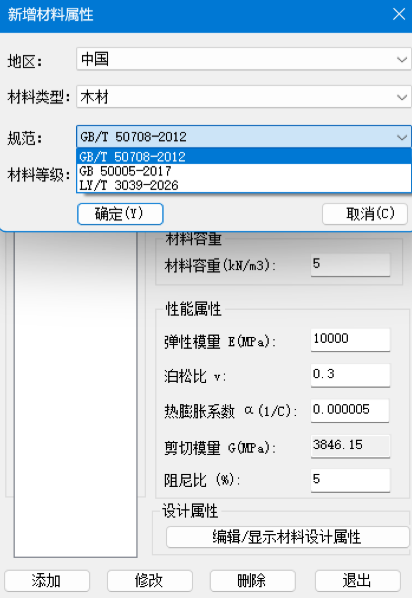
Timber is now a structural system option in YJK, a mainstream Chinese building design platform, following development work supported by Canada Wood. A second developer, 3D3S, has completed its initial timber calculation module and is testing it internally. Both have built material properties databases to support the calculations.
These releases establish the first stage of a three-year program. More comprehensive design functions, automated construction drawings and links to factory production remain under development or planned.
The Cost of Separate Systems
The office building at Treezo Group’s Baifeilun industrial park shows why the software work matters.
The building has seven above-ground storeys and one basement, with 9,493 square metres of above-ground floor area. Its first storey uses reinforced-concrete framing. Storeys two through seven use glulam: structural members made by bonding layers of lumber together.
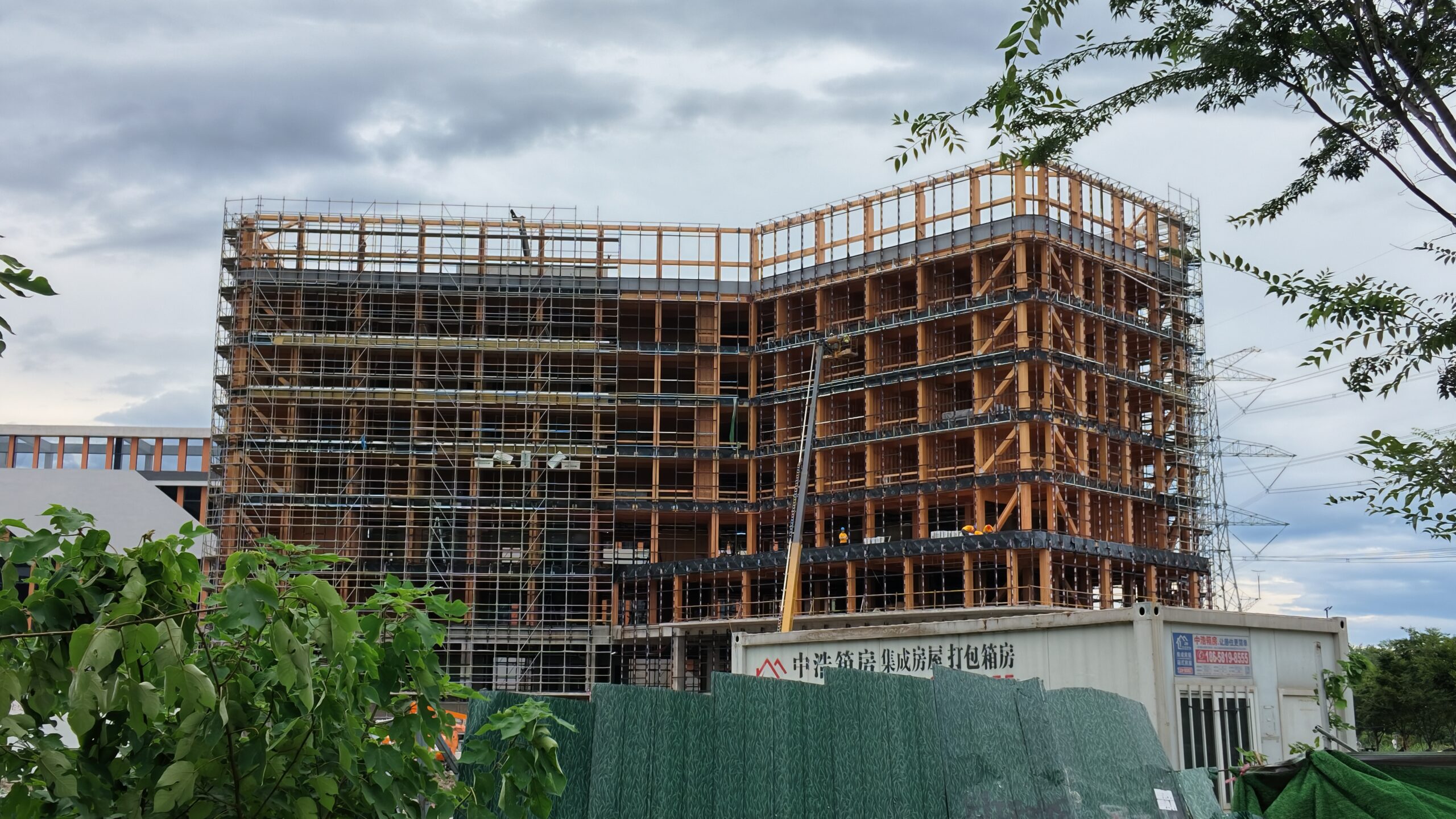
The engineering team needed three software packages. YJK performed the overall structural calculations. Midas handled seismic time-history analysis, which models a building’s response to earthquake motion over time. Dlubal completed timber-specific checks.
The resulting structural calculation report exceeded 300 pages. Transferring information between programs and reconciling their results added substantially to the workload compared with a conventional concrete project.
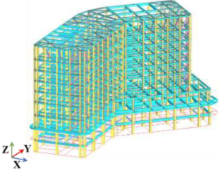
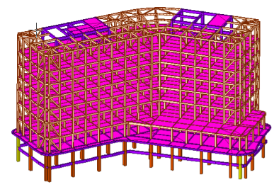
Midas Model
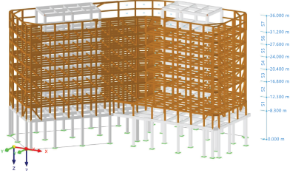
Dlubal Model
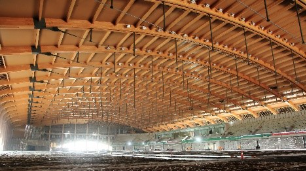
Long-span structures raise similar difficulties. Shenyang’s Wangjiawan speed skating venue, planned for the 2028 National Winter Games, uses a 102-metre-span system combining timber arches, tension elements and steel framing. Engineers working on such systems must supplement existing analysis tools with timber checks that satisfy Chinese requirements.
The issue is the effort required to bring different materials, calculation methods and code requirements into one documented design.


Working Within Chinese Standards
Some specialist engineering teams in China already use international timber software, including RISA and Dlubal RFEM. Those tools provide timber engineering capabilities, but calculations configured around North American or European standards do not automatically satisfy Chinese design requirements.
Differences include load combinations—the ways engineers account for forces acting together—material safety factors and connection detailing. Engineers must complete supplementary checks and prepare results suitable for domestic drawing review.
Canada Wood’s collaboration with YJK and 3D3S aims to incorporate Chinese timber requirements directly into domestic platforms. The relevant standards include GB 55005, China’s general code for timber structures; GB 50005, its timber design standard; and GB/T 50708, covering glulam structures.
The two developers bring different strengths. YJK has an established role in concrete building design. 3D3S specializes in steel and spatial structures, including long-span systems. Together, they address workflows relevant to timber–concrete buildings and steel–timber construction.
What Engineers Can Access
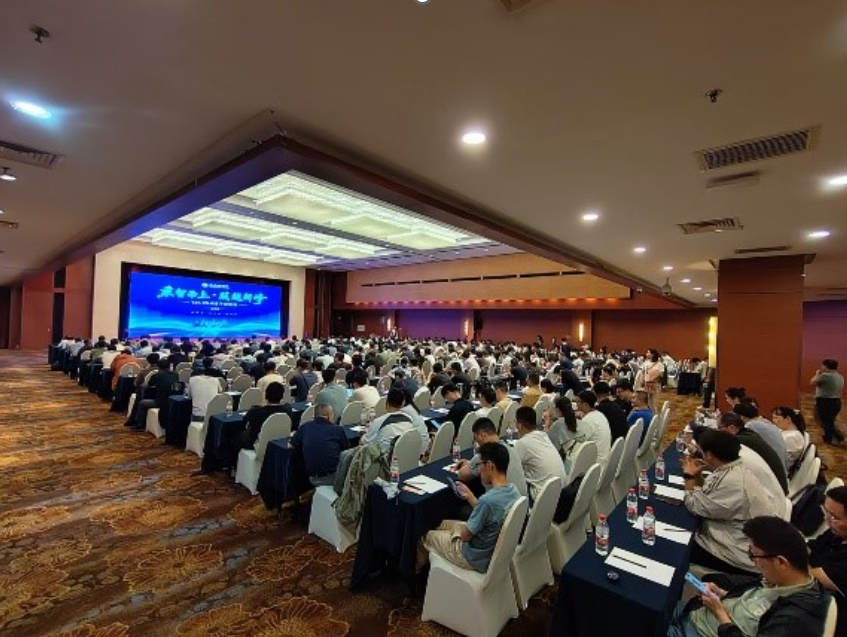

YJK presented its timber capabilities at the Shanghai launch of Version 9.0 on October 20, attended by more than 400 structural engineers. The software became available through its website on October 23.
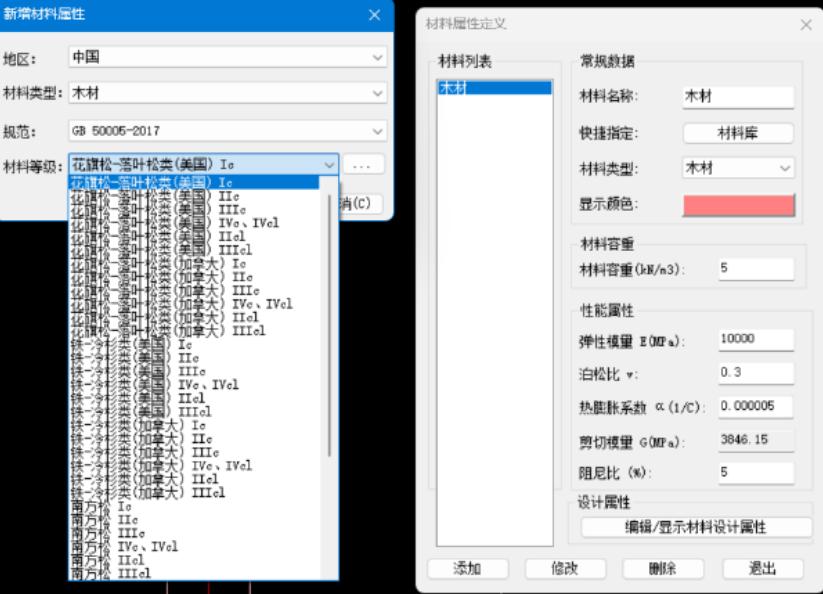
The release places timber alongside concrete and steel as a structural system option. Its database incorporates grades and mechanical properties for dimension lumber, glulam and cross-laminated timber, or CLT. CLT consists of lumber layers bonded in alternating directions to form structural panels.
The database draws on Chinese timber design, glulam and CLT standards. The interface also includes settings for Canadian species.
3D3S has completed development of its initial module and is conducting internal testing. Its capabilities include modelling timber and steel–timber structures, structural analysis, code checks, structural layout drawings and timber fire design.
Its materials library covers solid timber, glulam, dimension lumber and imported timber, with provision for users to define material properties. A public test version is planned for November 2026, followed by a formal release in December.
These are initial releases within a broader program. Further timber design and checking functions are planned for 2027.
Calculating Carbon Earlier
A further proposal would add timber carbon calculations to YJK’s BIMFire platform. Reusing structural model data could allow designers to compare whole-life carbon implications earlier, without rebuilding the model solely for that assessment.
This capability is planned for 2028. The proposal links it to Chinese timber and bamboo carbon accounting requirements and to documentation for green and low-carbon building assessments.
For designers comparing structural options, the useful question would become more specific: how do the material quantities and structural choices in this model affect its calculated carbon performance? Answering that within the design workflow is the next proposed use of the data already being assembled.

The project is made possible thanks to the funding support from the Government of Canada’s Global Forest Leadership Program.