
Canadian Hem-Fir is finding a growing role in China’s glulam industry. Manufacturers are working with the material, designers are specifying it, and projects are giving others a chance to see how it performs in practice. Behind that progress is a sustained effort by Canada Wood to connect technical research with production and design.
The work began with the individual boards, or laminations, that make up a glulam beam. Before manufacturers could confidently introduce Hem-Fir, they needed evidence of its suitability under Chinese requirements. Canada Wood supported mechanical testing and technical assessment to better understand its strength, stiffness and use in glulam production. Testing in China showed promising bending strength and stiffness in mechanically graded Hem-Fir laminations.

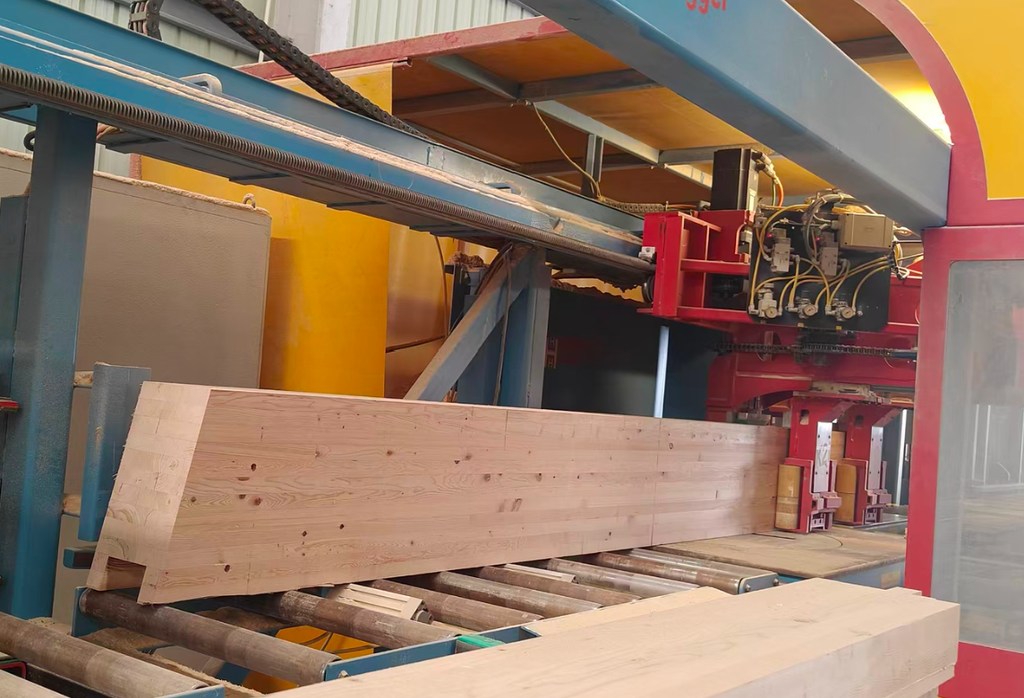
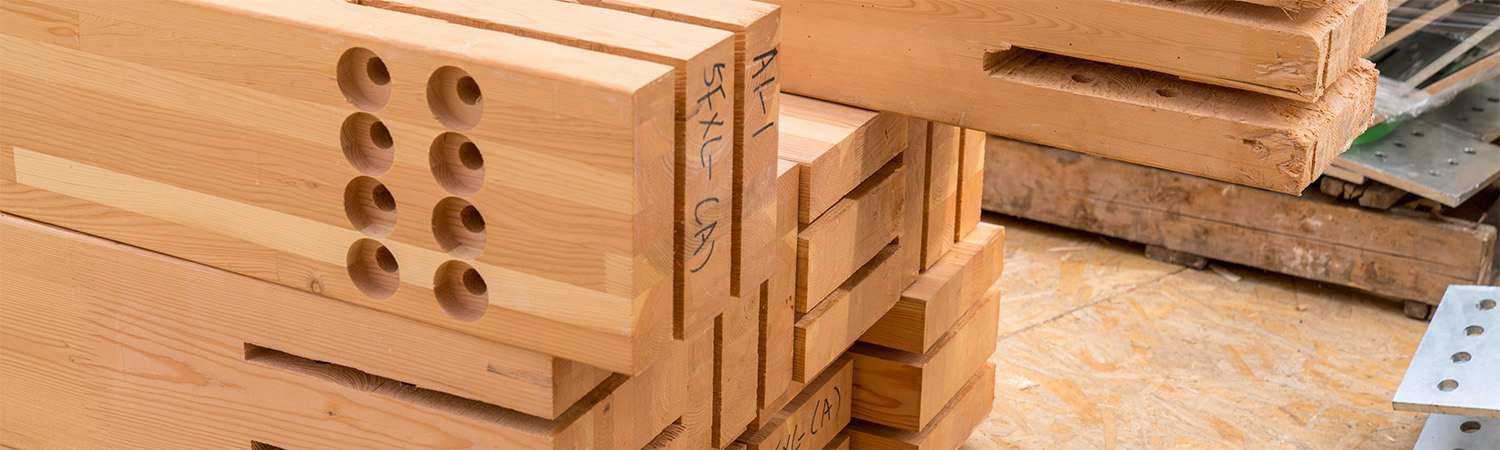
Hem-fir and Yellow Cedar lamina testing in China
Interpreting those results was an important part of the work. Canadian lumber grades and Chinese lamination requirements do not align directly, and differences in testing methods affect how performance is assessed. Working with technical specialists, including FPInnovations, Canada Wood examined these differences to help manufacturers understand how Canadian lumber could be selected and evaluated for local production.
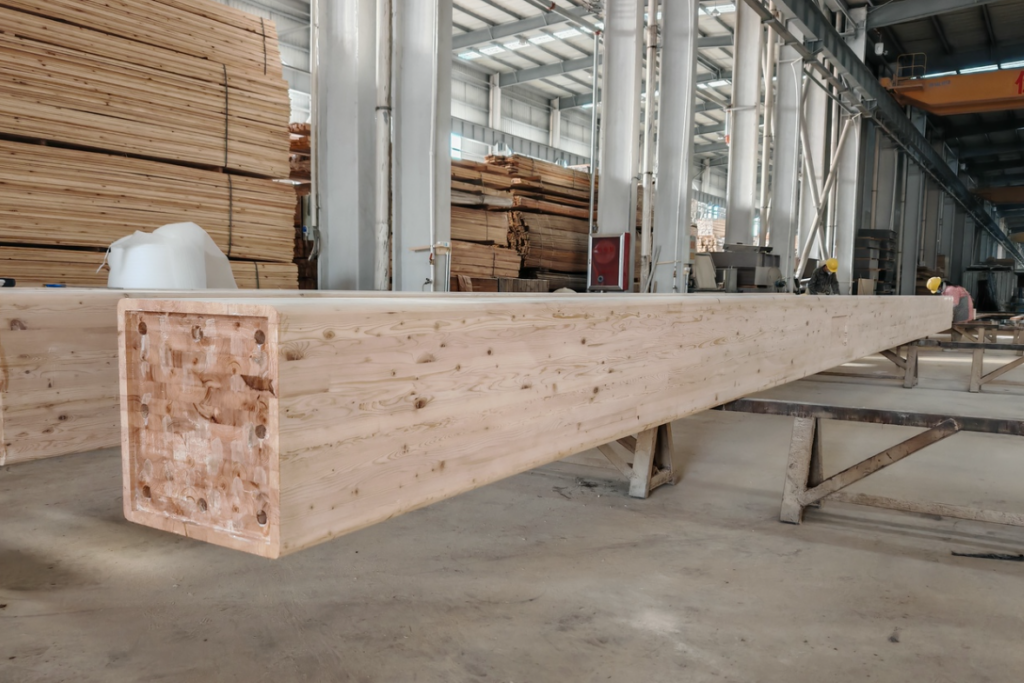
The next step was to take that knowledge into the factory. Canada Wood connected Canadian suppliers with Chinese glulam producers and supported product trials. Factory visits, technical discussions and small-batch production gave manufacturers opportunities to work with the material and assess its practical use. By 2025, two manufacturers had begun small-batch production using Hem-Fir and yellow cedar laminations, with products moving into demonstration applications.
Designers were involved alongside the manufacturers. Canada Wood worked with project teams to consider Hem-Fir early, when material choices could still be incorporated into structural drawings and specifications. This helped connect testing and production with an actual building requirement.
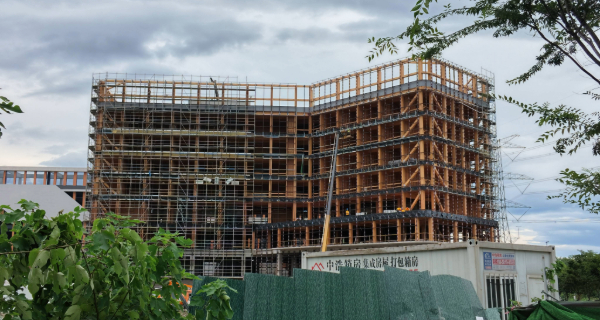
That approach is now visible across several projects. At the Ningbo Cicheng Visitor Center, Hem-Fir was selected for glulam framing as the design developed. The Pudong Education Development Institute project also specified Hem-Fir glulam, while the Chengzhong Middle School gymnasium in Shanghai’s Hongkou district progressed to factory fabrication of Hem-Fir components. In Hangzhou, Treezo’s Purfeel office building incorporates Hem-Fir in its upper timber structure, alongside other Canadian species.